Digital Marketing Strategy for NZ Startup


The Challenge
This was a growing New Zealand startup offering home services to everyday Kiwis. They had demand, but their marketing was fragmented. SEO had no clear direction, paid ads were inconsistent, and there was limited visibility on which channels were actually driving profitable enquiries.
The main challenge was to generate steady, qualified leads while keeping acquisition costs under control, without overcomplicating the setup.
The Approach
The work focused on building a simple, scalable acquisition system across SEO, Google Ads, and Meta, with each channel playing a clear role.
For SEO, the priority was local visibility. We structured the site around service-based and location-based pages, cleaned up technical issues, and focused content on searches with clear intent. This helped improve rankings for core services and increased organic enquiries over time.
On Google Ads, campaigns were rebuilt around high-intent searches only. Services were split into dedicated campaigns so budgets could be controlled properly and performance could be measured at a service level. Conversion tracking was tightened to ensure only real enquiries were being counted.
For Meta, the focus was awareness and demand capture rather than hard selling. Campaigns were used to support the brand locally, retarget website visitors, and bring warm traffic back into Google Ads and SEO funnels.
Across all channels, tracking was aligned so we could clearly see what was driving leads and where spend was best allocated.
The Results
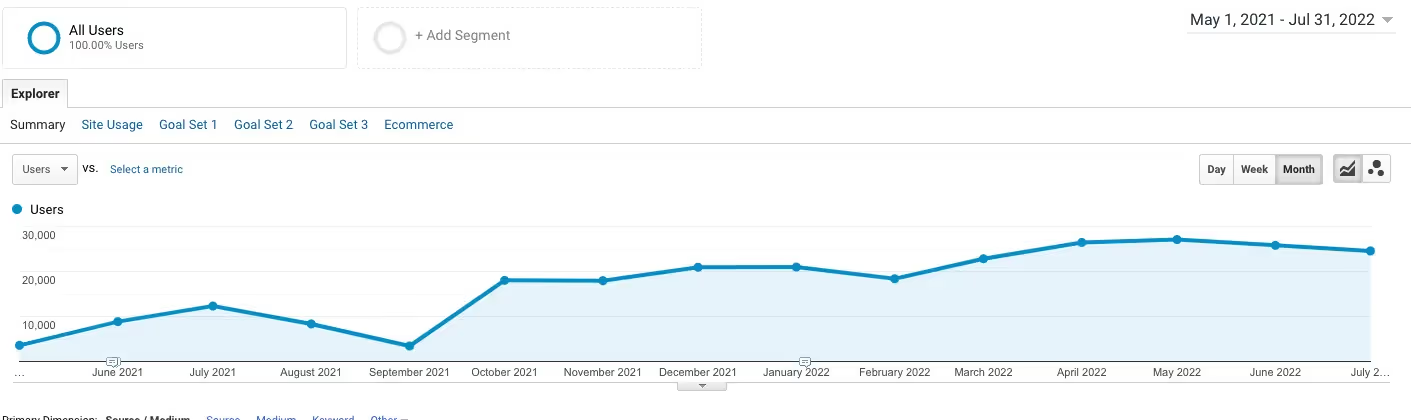
By aligning SEO and paid media around clear intent and local demand, the business saw consistent improvements across the board:
- Increased volume of qualified enquiries
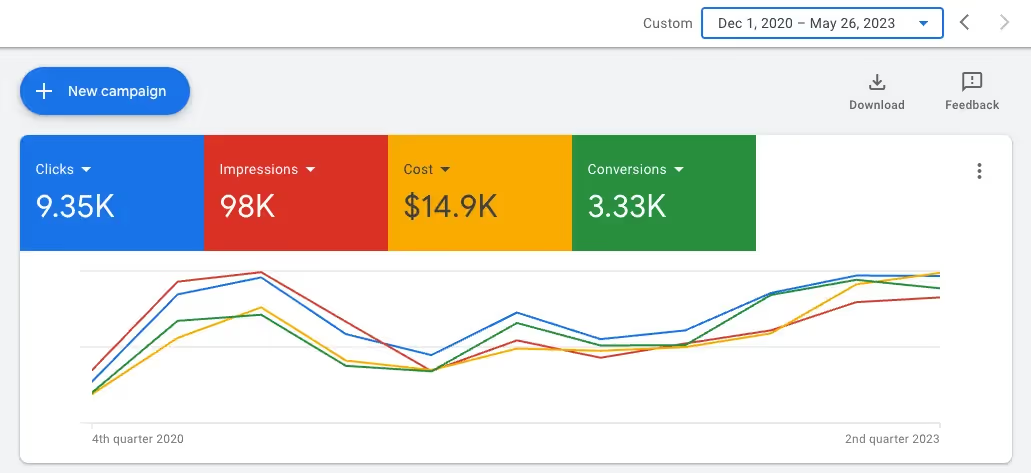
- Lower cost per lead from Google Ads
- Improved local search visibility across key service areas
- More predictable lead flow month to month
- Clearer insight into which services and locations were performing best
The result was a marketing setup that supported growth without relying on constant increases in ad spend.


--.avif)